

Introduction
As the only dentist in the membership, I thought it was time to put pen to paper and give you some insights into the evolution of understanding on regular wine tasting on the dental and whole-body condition.
Wine, impact on oral pH and Tooth Enamel
The mouth is a complex part of our bodies. We require a daily intake of approx. 600ml of water to produce enough saliva for our oral health requirements in a day. This volume is considered approximately 1/3 of our total body requirements of water. Saliva pH measures between 6.8-7. pH levels of wine range typically ranging from 2.9 to 3.9. When we imbibe wine, we drive a change in the oral pH equilibrium .This lowering of oral pH can lead to increases in erosion of tooth enamel, making teeth more susceptible to sensitivity, decay, and staining. The pH where enamel solubility and permeability increases is around 5.5. White wine in particular softens enamel even more significantly than red. Over time, regular exposure to wine can lead to visible enamel erosion, especially when coupled with other acidic foods or poor oral hygiene habits. Dry mouth is also a potent driver of a change in pH, therefore increasing the risk of enamel damage. Keep in mind at last count there are over 900 medications that can cause dry mouth, therefore your medications should be discussed with your GP to ensure you are taking the most effective medication with the least number of side effects. Antidepressants, some blood pressure medications, proton pump inhibitors(eg esomeprazole), benzodiazepines and antihistamines to name just a few categories are implicated.
Additionally, red wine contains chromogens and tannins, which can stain teeth, especially if the enamel has already been weakened by acidity. The acidic environment not only softens and increases the solubility of enamel but also roughen the surface microscopically. This means that frequent wine drinkers will notice increased tooth discolouration over time.
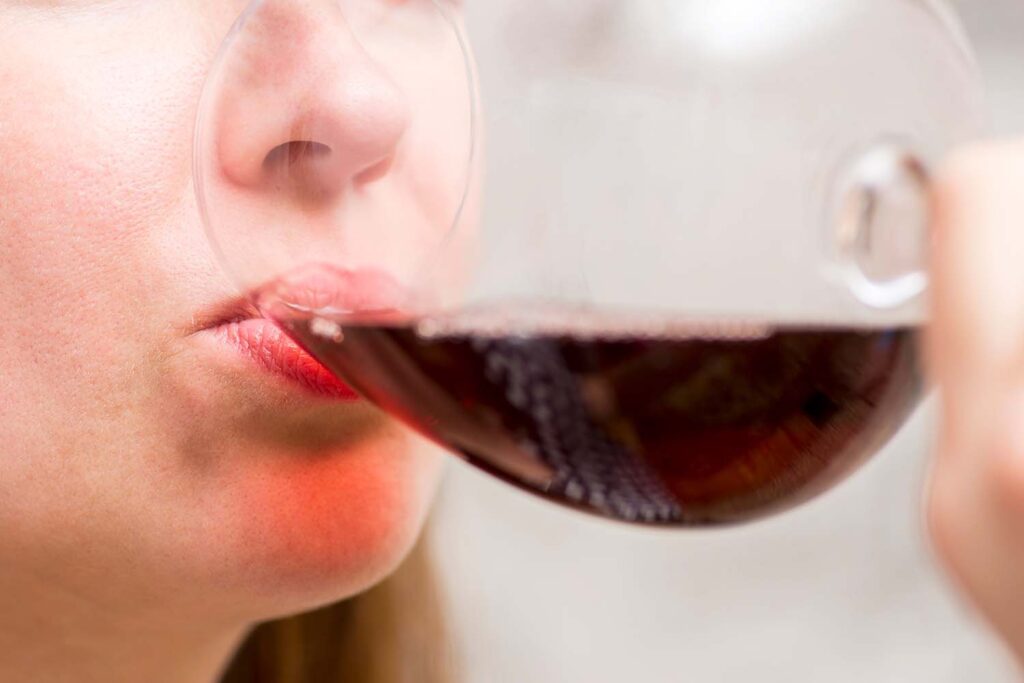
Influence of wine on lower pH and Oral Bacterial growth.
The lowering of pH causes a considerable shift in microbial balance, leading to a dysbiosis. The shift favours gram positive organisms such as Streptococcus mutans and Lactobacillus casei. The sugar content also feeds Streptococcus mutans which is significantly responsible for tooth decay. S. mutans coverts sucrose into extracellular polysaccharides and metabolises carbohydrates to produce organic acids such as lactic acid, leading to a lowering of pH and making the enamel more susceptible to decay. When the natural salivary buffers are overwhelmed in a low pH environment, Gram negative bacteria such as Bacteroides intermedius that might otherwise be kept in check ,can proliferate in niches such as pockets between gums and teeth (anaerobic environments) and enter the body through bleeding gums as found in gingivitis and periodontitis. The subsequent bacteraemia leads to a substantial uptick in whole body inflammation , precipitating increased risks for numerous diseases. The increased risks of cardiovascular and diabetic disease for example are already well documented. The research in this area of oral medicine is evolving rapidly. A few new areas of research include:
- S mutans strains harboring the cnm gene, which produce the collagen-binding protein Cnm, are significantly associated with an increased risk of cerebral microbleeds (CMBs), intracerebral hemorrhage, and subsequent vascular cognitive impairment. These oral bacteria enter the bloodstream, bind to damaged vascular collagen in the brain, and cause injury.
- Another bacterium found in the mouth, Fusobacterium nucleatum, in combination with other periodontal bacteria shows high prevalence in patients with Multiple Sclerosis. Studies are currently active in Japan as to this potentially strong causal link.
- Researchers in South Korea have recently discovered higher levels of S.mutans in the gut microbiome of patients with Parkinsons disease. This bacterium produces an enzyme called Urocanate reductase and a metabolic by-product known as Imidazole Propionate(ImP) . ImP can travel through the body and crosses the blood brain barrier. It is now implicated in the loss of dopamine- producing neurons.
Wine and Oral Cancer
Alcohol consumption, including wine, is a recognised risk factor for oral cancers. The risk increases with the quantity and frequency of alcohol intake. Regular wine tasting therefore needs to be flagged as a significant risk factor. Ethanol in wine is metabolised in the body to acetaldehyde, a compound known to be carcinogenic. Additionally, the combination of alcohol and tobacco use substantially amplifies the risk of developing cancers of the mouth, throat, and oesophagus. For many years mouthwashes contained high levels of alcohol. Regular use was shown to markedly increase the risks of oral cancer. The standard now is for the vast majority of mouthwashes to be zero alcohol.
Even moderate wine consumption has been linked to a higher risk of oral cancer compared to abstaining, particularly in individuals with other risk factors. It is important for wine drinkers to be aware of these risks and to maintain regular dental check-ups for early detection of any oral changes.
Protecting Your Dental Health
- Drink water alongside wine to help rinse away acids and sugars.
- Avoid brushing immediately after drinking wine, as softened enamel is more easily damaged—wait at least 30 minutes. Literature suggests a benefit to not brushing your teeth the morning of a tasting. Besides the fact that residual toothpaste will taint your taste perception, there may be a protective benefit to maintaining a biofilm on one’s teeth to act as a barrier to rapid pH change and direct action of acids on the enamel interface.
- Maintain good oral hygiene, including regular flossing and dental check-ups.
- Limit the frequency and duration of wine exposure to minimise acid attacks.
- Use high fluoride containing toothpastes. Most of the sensitive ones in the market have fluoride levels above 1420ppm, leading to a harder enamel surface that is more resistant to dissolution. Their desensitizing properties are certainly beneficial.
- If your enamel is being damaged by regular wine tasting, consider also using products such as GC tooth mousse which contains Recaldent, a CCP-ACP [casein phosphopeptide–amorphous calcium phosphate], a milk derived product. Please note this product is not suitable for you if you have dairy allergies. A chewing gum with Recaldent is also available. Besides the remineralising properties of CPP-ACP, which is high is Calcium and Phosphate, there is a benefit to also using sugar free chewing gum. For approximately 20 mins after commencing chewing gum, there is a rapid increase in salivary flow, leading to a greater salivary buffering action.
- Ensure your dentist conducts a regular oral cancer screening at EVERY check up. It only takes a short amount of time and could save your life. Oral Squamous Cell carcinoma has a high mortality rate and is incredibly debilitating and has a massive impact on the quality of life.

Conclusion
It is important to be mindful of the effects of regular wine consumption and wine tasting effects on oral and general health. From enamel erosion and changes in oral pH to shifts in bacterial populations and increased cancer risk, wine has a multifaceted impact on the mouth. Taking simple precautions can help mitigate these risks.